
Most women learn about their pregnancy when they are about five weeks pregnant due to their missed period, along with other common symptoms. As first-time mothers, here are some things to look out for:
Trimester 1 (Week 1 to 12)
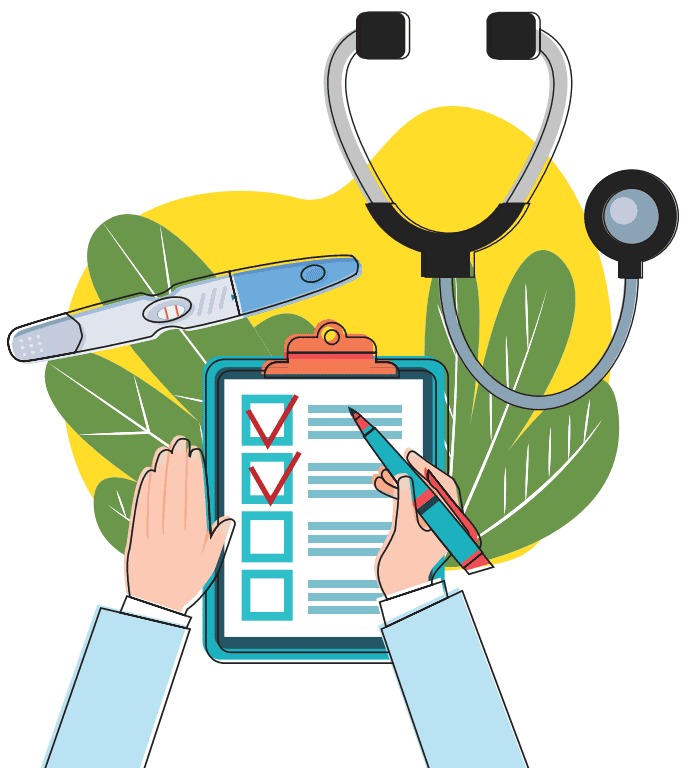
You should suspect that you are pregnant when you miss your period while having unprotected intimate relationships with your husband. A pregnancy test can be performed then. The best time of the day to test for pregnancy would be during your first toilet trip in the morning. Your pregnant hormone levels would be highest then due to the reservoir you have accumulated in your bladder overnight.
After testing positive for pregnancy, you should book your first visit with an obstetrician. A dating scan is done between week 6 and week 12 of your pregnancy to accurately determine how many weeks pregnant you are.
- If you have any bleeding, see a doctor early. Though some light vaginal bleeding may be harmless, it may also signify other problems (e.g. miscarriage or ectopic pregnancy).
- At pregnancy week 6, pregnancy symptoms may start to present themselves and may become more challenging over the next few weeks. Some of these include nausea and vomiting (which peak between weeks 8-10), fatigue, frequent urination, food aversions/cravings and breast tenderness.
- While these symptoms may be very common, it is important to see your doctor if your nausea and vomiting symptoms worsen and you have lost 5kg or more. There are many effective medications that may help to reduce the severity of these symptoms. There are also some tried-and-tested remedies that work for many, such as ginger or sour foods, which may help you to deal with nausea. Sometimes your nausea and vomiting may be so severe that medical attention is required.
- By week 11, the symptoms of nausea and vomiting should be coming to an end. You may, however, experience mild headaches throughout your pregnancy.
- At week 12, the risk of miscarriage usually diminishes. Miscarriages usually have a significant psychological impact on both parents. However, miscarriages are sporadic and will not affect the success of future pregnancies. If miscarriages happen for three or more times, you should consult a doctor to identify the underlying causes.
- Talk to your loved ones so that they can provide you the support you need throughout your journey.
- The first trimester is an exciting time when organ development occurs. The heart is the first organ that develops, followed by other body parts such as the eyes, nose, ears, limbs and the digestive system.
- Eat a healthy diet and stay active.
- In early pregnancy, tone down your exercise regime to moderate intensity. Some light exercises which may be helpful in the first trimester include swimming, cycling, yoga, and low impact aerobics.
- Take your folic acid supplement.
- Avoid raw and undercooked food.
- Take small, frequent meals and avoid tight-fitting clothing.
- Remember to drink adequate amounts of water and get sufficient sleep.
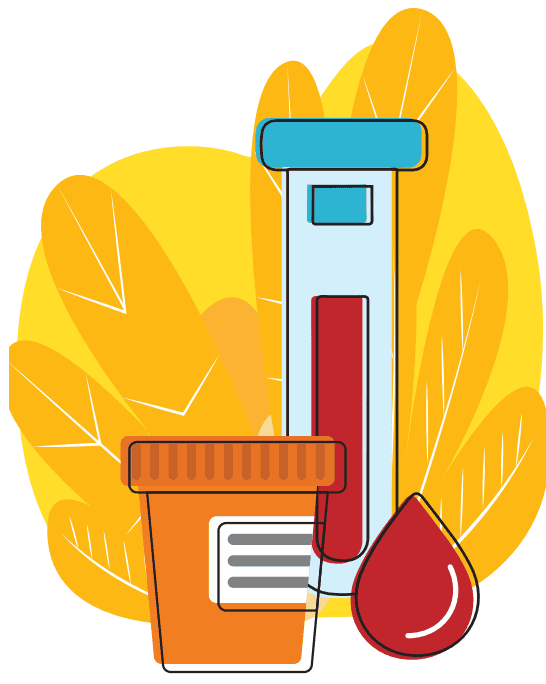
- Routine blood and urine tests will be done to screen for infections (such as HIV, Hepatitis B, Rubella and Syphillis), or conditions that may affect your pregnancy (such as thalassemia).
- In the first trimester, you will be introduced to the subject of screening for Down syndrome and other conditions by your doctor.
- Down syndrome is the most common cause of learning disability and mental impairment in children caused by an extra chromosome in the child’s DNA/gene. The risk of having a child with Down syndrome increases with maternal age. For women aged 35 years old and above, the risk of having a baby with Down syndrome increases exponentially
- Screening tests for Down syndrome include the nuchal translucency test, which measures the thickness of skin at the back of your baby’s neck. This screening tool’s accuracy is about 80% and increases to 90% when combined with specific blood tests. However, this test is optional.
- Definitive tests such as the chorionic villus sampling (CVS) and the amniocentesis are also available. These tests involve obtaining cell samples from the baby to identify if the baby is affected with Down Syndrome. It is only performed for high-risk cases detected during the screening test. Your doctor will be able to explain this in further detail.
Diet And Exercise

Screening Tests
The second trimester will span from pregnancy weeks 13 to 28. Most women find this period the smoothest sailing trimester of all. Pregnancy symptoms will likely improve as the pregnancy progresses and you may feel more energetic and get ready to deal with what’s to come. Some pregnant women may continue to experience nausea and lethargy up to the fifth month. Please do not feel discouraged. If you are feeling down, seek advice from your doctor or talk to your partner.
Trimester 2 (Week 13 to 28)
The second trimester will span from pregnancy weeks 13 to 28. Most women find this period the smoothest sailing trimester of all. Pregnancy symptoms will likely improve as the pregnancy progresses and you may feel more energetic and get ready to deal with what’s to come. Some pregnant women may continue to experience nausea and lethargy up to the fifth month. Please do not feel discouraged. If you are feeling down, seek advice from your doctor or talk to your partner.
At weeks 19 to 22, you may start to feel the first signs of your baby moving.
There is no hard and fast rule about how often a baby should kick per day as this tends to vary among pregnant mothers. By the end of the second trimester, at about pregnancy week 27, your baby’s kicks would have become more constant and it would be easier for you to monitor them. If there are few or no fetal movements felt during this time, please seek medical advice immediately.
- You may experience constipation in your pregnancy. Drink plenty of fluids and consume high-fibre foods (e.g. wholegrain, fruits, vegetables).
- Your doctor will also recommend commencing a daily multivitamin supplement starting from the second trimester.
- Pregnancy raises your body temperature and you may find yourself feeling warm all the time! To keep cool, wear breathable clothing and underwear made from linen or cotton.
- You may also experience heartburn. Take small, frequent meals throughout the day and avoid eating close to bedtime or lying flat right after a meal. Avoid oily and spicy foods as these may aggravate the symptoms.
- Stretch marks may occur as your baby bump grows. To prevent them, you may start massaging your belly gently with pregnancy-safe belly oil. Stretch marks are permanent; there is no miracle cream or drug to make it go away permanently once you have them.
- It is safe to have sex during pregnancy and it will not harm your baby. However, if you do have some conditions in pregnancy such as a low-lying placenta, burst water bag or preterm labour, it is not recommended to do so.
- Vaginal discharge may change and increase during pregnancy. Wear comfortable and breathable underwear. If you notice foul-smelling discharge or itchiness during your pregnancy, please inform your doctor.
- At around week 20, a detailed scan will be done to screen for any abnormalities in baby. You may be able to know baby’s gender during this scan!
- You will have an Oral Glucose Tolerance Test (OGTT) to screen for Gestational Diabetes Mellitus between weeks 24 and 28.
Diet And Exercise
Screening Tests
Trimester 3 (Week 29 to 40)
The third trimester is the final part of this journey. There are plenty of changes to look forward to and you will need to be ready for the ‘big day’.
- From week 30, your body may experience changes like leg swelling and lower abdominal cramps, breathlessness, frequent urination, hand numbness,
haemorrhoids and varicose veins. - Try to relax and enjoy the last few weeks of your pregnancy with activities such as swimming or listening to soothing music.
- You may experience harmless contractions which are called Braxton-Hicks contractions. It is important to distinguish between these and the signs of early labour. Harmless contractions usually come at irregular timings and feel like painless tightenings. These do not cause the ripening of the cervix or early delivery of the baby. In contrast, actual labour contractions can be of a stronger intensity and more painful.
- Other symptoms to expect before labour occurs would be your water bag breaking or having a pink vaginal discharge.
- About one in 10 women go into early labour before the estimated date of delivery (EDD). If you are found to be in early labour before week 37, your doctor will try and help prolong the pregnancy and stop labour by giving you certain medications. Some of such interventions will require a short hospital stay as you and your baby will need to be monitored. Also, steroid injections may be administered to accelerate the maturity of your baby’s lungs to prepare for the possibility of delivery.
- Some women, especially those having their first child, tend to deliver later. However, delivery before 41 weeks is acceptable. If you do go past your due date, your doctor will monitor you and your baby to ensure both are in good health and discuss further intervention options with you.
- A growth scan will be done to determine the position of your placenta and baby, as well as to measure the amniotic fluid volume. This is important in preparing for delivery.
- Between weeks 35 and 37 you may receive a vaginal swab to screen for Group B Streptococcus (GBS). If you are positive for the bacteria, you will receive antibiotics during labour. Rest assured it is safe to have a vaginal delivery in this case.
Labour
Screening Tests
My lord! Grant me — by your grace — righteous offering. You are certainly the Hearer of (all) prayers.
Surah Ali-Imran 3:38
Reference: KK Women’s and Children’s Hospital, Office of the Mufti (MUIS)
Perasaan terhadap setiap kehamilan unik dan berbeza. Dua belas minggu yang pertama dikenali sebagai trimester pertama. Anda dinasihati supaya mengambil makanan yang seimbang dan berkhasiat. Anda akan mendapati pengambilan makanan akan menjadi lebih sedikit tetapi anda akan lebih kerap lapar.
Jangan lupa ambil 5mg Asid Folik (Folic Asid) pada saat anda mengenal pasti yang anda hamil.
Anda disyorkan agar berjumpa dengan pakar bidan bagi pemantauan selanjutnya dan untuk membuat perancangan seterusnya.
Semasa melakukan imbasan (scan), jantung bayi sudah boleh dilihat pada minggu yang keenam. Anda akan dikehendaki membuat pemeriksaan darah bagi jangkitan HIV, Hepatits B, Syphilis dan Rubella. Perbincangan tentang pemeriksaan Sindrom Down akan dilakukan.
Kadangkala anda mengalami alahan muntah-muntah yang boleh berterusan hingga ke minggu yang ke-20. Kebanyakan wanita akan beransur pulih daripada muntah-muntah. Sepanjang kehamilan ini, kadangkala anda kelihatan semakin sembab akibat pengekalan air di bahagian kaki, tangan dan muka. Kaki anda boleh bertambah bengkak dan menyebabkan sukar berjalan.
Minggu ke-13 hingga ke-28 dianggap trimester kedua. Imbasan lebih teliti untuk melihat struktur bayi akan dilakukan.
Trimester ketiga adalah dari minggu ke-29 sehingga minggu ke-40. Perkembangan bayi akan dipantau melalui imbasan(scan).
Dengan itu, anda hendaklah menjaga kehamilan ini dari trimester pertama sehingga waktu hendak melahirkan dengan tenang dan baik. Banyakkan berdoa. Semoga dipermudahkan… Insya Allah
Wahai Tuhanku! Kurniakanlah aku dariMu, zuriat keturunan yang baik; sesungguhnya Engkaulah yang Maha Mendengar doa.
Surah Ali-Imran 3:38